This engaging resource pack combines our popular STEM Journal with hands-on Design and Technology activities that bring the history and science of time measurement to life. Perfect for Key Stage 2 learners, children will build historical timekeeping devices, conduct investigations, and document their learning journey in their own STEM Journal.
Included Resources +
This pack includes seven activity sheets with accompanying lesson plans and a STEM Journal for recording investigations, reflections, and discoveries across the history and science of timekeeping.
• STEM Journal — interactive notebook for recording investigations, reflections, and discoveries
• History Timeline — explore the evolution of timekeeping from ancient to modern times
• Calendars and Schedules — understand different ways of organising and measuring time
• Candle Clock — build and test an ancient timekeeping method using candles
• Sundial Investigation — create a sundial and explore how shadows measure time
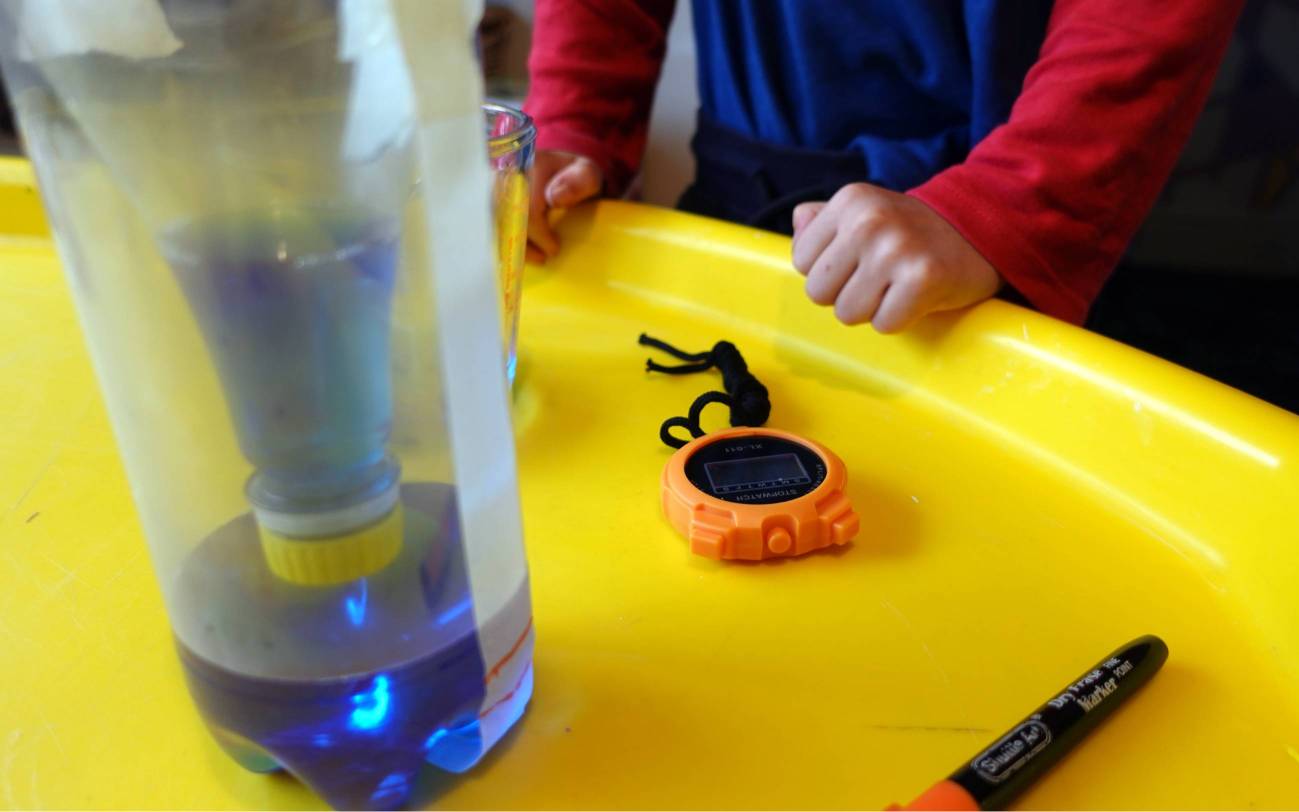
• Water Clock — design and build a water-powered clock (clepsydra)
• 10 Second Marble Run Challenge — apply understanding of time to create a precisely-timed marble run
Key Details +
• Year Group: KS2 (ages 7–11)
• Key Stage: KS2
• Subject: Design & Technology, Science, History
• Resource Type: Activity Sheets + Lesson Plans + STEM Journal
• Format: Instant PDF Download
• Number of Activities: 7
Curriculum Alignment +
Aligned to the KS2 Design & Technology National Curriculum. Covers designing and making functional products, building and evaluating prototypes, and applying understanding of technical knowledge through practical making and testing. Integrates KS2 History (the history of timekeeping and significant inventions) and Science (shadows, light, and the measurement of time). The STEM Journal develops metacognition and scientific recording skills through prediction, observation, and evaluation.
Teaching Tips +
Water Clock (clepsydra) is the standout making activity — allow a full DT session and have children test and refine their designs iteratively before recording results in the STEM Journal. Candle Clock works best as a teacher-led demonstration for safety, with children recording observations and timing results independently. 10 Second Marble Run Challenge makes an excellent end-of-unit STEM challenge — run it as a class competition with children timing each other's runs. The History Timeline works well as an opening activity to give children context before they begin building the devices themselves.